


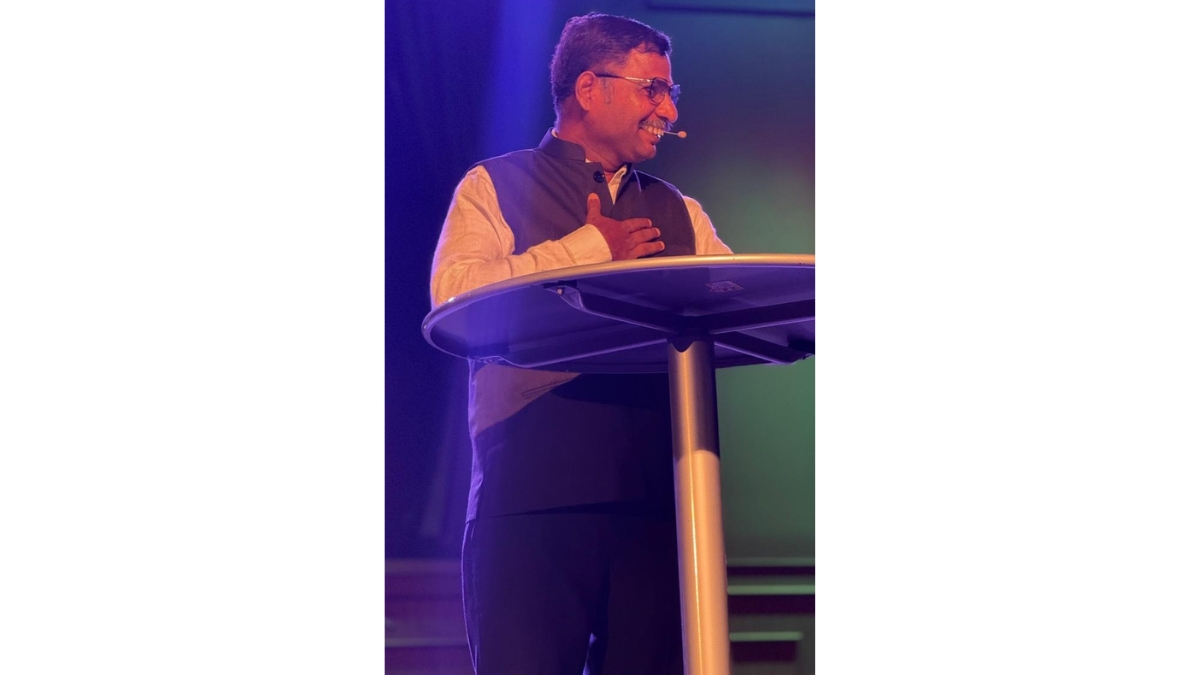
Kolkata (West Bengal) [India], March 02: A comprehensive academic study titled “Orphan Care Versus Family Care: An Ideological Study on Children in Orphanages and Foster Care vs Children in Families” has sparked renewed discussion on child welfare systems and their representation in global literature. The research was conducted by Alex Sam, Dr. Rejoice Solomon, Dr. Lydia R. Conger, Dr. Shambu Kumar Yadav, and Dr. Sweety Marandi.
Alex Sam, President of ILDC-India and a PhD scholar in Social Work, collaborated with Dr. Rejoice Solomon (PhD, Lords Business School, Lords University, Alwar, Rajasthan), Dr. Lydia R. Conger (PhD, NIMHANS, Consultant – Social Impact), Dr. Shambu Kumar Yadav (PhD, Former Chairperson, Child Welfare Committee, Pakur), and Dr. Sweety Marandi (PhD Social Work, Department of L.S.W, K.K.M College, Pakur) to examine how literature shapes public perceptions of orphanhood and alternative caregiving systems.
Literature as a Mirror of Child Welfare
The study critically analyzes portrayals of orphanhood across classical, Victorian, American, and contemporary literature. It references iconic literary characters such as Oliver Twist from Oliver Twist, Jane Eyre from Jane Eyre, Huckleberry Finn from Adventures of Huckleberry Finn, and Harry Potter from Harry Potter.
According to the researchers, these narratives reveal evolving societal attitudes toward orphanages, foster care, and family systems. Victorian literature, particularly works like Oliver Twist, highlighted institutional neglect and systemic injustice, while novels such as Jane Eyre portrayed orphanhood as a catalyst for resilience and self-determination.
In American literature, Adventures of Huckleberry Finn reflects tensions between foster supervision and individual freedom. Meanwhile, contemporary fantasy like Harry Potter redefines family through emotional bonds rather than biological ties.
Foster Care vs Family Care: Key Findings
The research emphasizes that traditional family care is often idealized in literature as a source of emotional security and identity formation. In contrast, foster care and orphanages are frequently depicted as unstable or harsh environments. However, the study also acknowledges that alternative caregiving systems can foster resilience, independence, and moral growth when guided by compassionate guardianship.
Drawing on sociological and historical perspectives, the authors argue that literature not only reflects societal realities but also influences public opinion and policy regarding child welfare. The portrayal of orphans as sympathetic archetypes has historically generated empathy but has sometimes reinforced stereotypes of vulnerability and dependency.
Call for Policy Reform and Reframing Perceptions
The researchers conclude that while literature often critiques institutional care, it also offers space to reimagine foster care and orphanages as potential environments for emotional development when properly supported.
The study calls for a rehabilitated perception of foster care systems and urges policymakers to recognize the psychological importance of stability, belonging, and emotional security for children outside traditional family structures.
By bridging literary criticism with social work scholarship, Alex Sam, Dr. Rejoice Solomon, Dr. Lydia R. Conger, Dr. Shambu Kumar Yadav, and Dr. Sweety Marandi highlight the need for continued dialogue on child welfare reform—both in narrative representation and real-world practice.
The publication adds a significant interdisciplinary contribution to discussions on orphanhood, foster care, and family systems in both academic and public spheres.
If you object to the content of this press release, please notify us at pr.error.rectification@gmail.com. We will respond and rectify the situation within 24 hours.
