


Surat (Gujarat) [India], November 15: For any parent, a child’s wedding is one of life’s most significant events. However, in today’s times, weddings have too often become occasions of excess and social display, with families competing to make every moment extravagant and memorable. Many age-old customs have also placed heavy financial burdens on families, especially on the parents of daughters.
Although many recognise the strain of such traditions, most continue to bow before them, often falling into debt to meet social expectations. Breaking away from this norm, Naresh Variya, editor of the Dhabkar daily newspaper in Surat, has set a great example by solemnising his daughter’s marriage without incurring debt and without adherence to regressive customs.
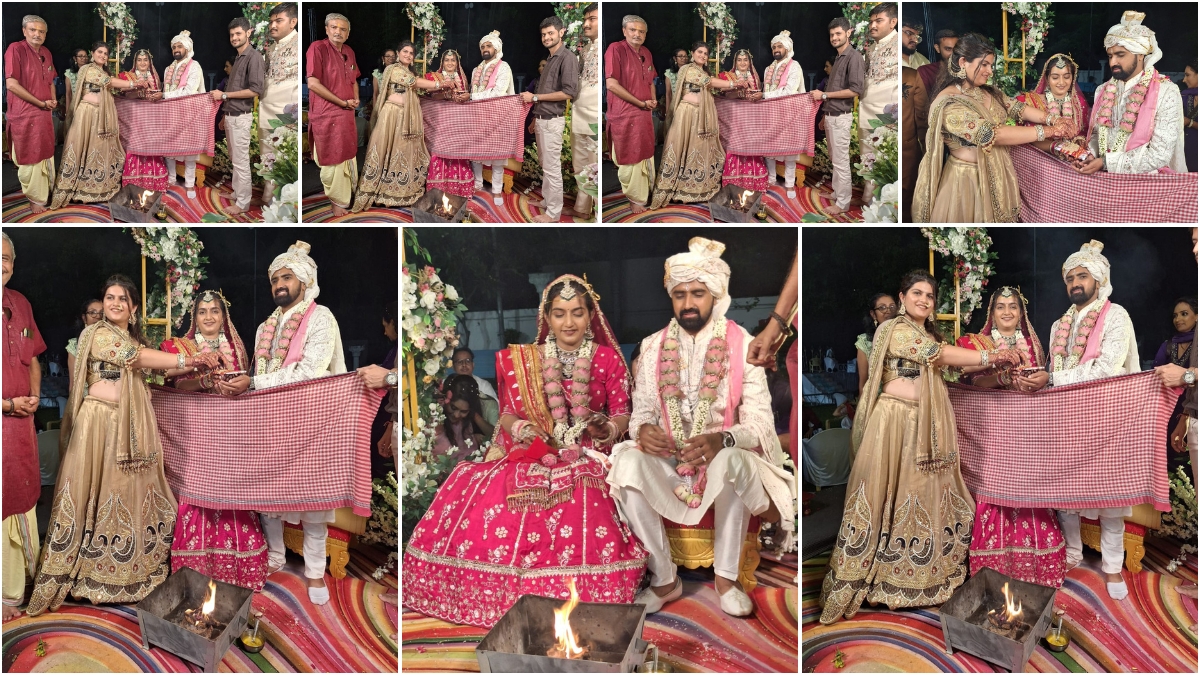
In a remarkable gesture, during the wedding of his elder daughter, Vaidehi, his younger daughter, Ruchi, performed the Javtal ritual, traditionally reserved for male relatives, symbolising true gender equality.
Customs such as mameru (maternal gifts), the giving of gold rings by paternal aunts, elaborate jewellery exchanges, and similar practices have become social norms. While they may have held meaning in their time, many now serve as unnecessary financial and social pressures. Despite advances in education and economic conditions, the Indian society still struggles to free itself from regressive notions, often succumbing to social fears about “what people will say”.
Even as India advances in technology, such outdated customs endure. It is high time they were replaced by a spirit of equality and rationality, one that gives daughters the same rights and respect as sons.
On November 5, Variya and his wife Leena solemnised the wedding of their elder daughter Vaidehi with Jainam Sankhala from Rajasthan. The ceremony was conducted with simplicity and in adherence to scriptures, but without the burden of show or ritual excess. There was no mameru ceremony, no gold ring custom by Aunts, and no lavish feast or debt. Invitations were also sent digitally, reflecting the times we live in.
Only close family members and a few childhood friends were invited to the intimate ceremony. Before the wedding, Variya, who has been a journalist for over 30 years, hosted a small gathering to express gratitude and introduce his family to fellow journalists.
A particularly inspiring moment came during the ritual of the seven vows. Traditionally, a male cousin performs the Javtal ceremony during the first step. However, in this case, the role was performed by Vaidehi’s younger sister Ruchi, affirming that daughters are no less than sons in any respect.
Known for his progressive and rational outlook, Variya believes in equality across caste, religion, and gender. The marriage itself was interfaith. The word “Kanyadaan” was not used in the marriage. Naresh Variya says about this that the donation can be of land, jewelry, property, money or any other thing, but a daughter is a human being and should not be donated.
Though dowry is legally banned in India, it continues to persist socially in subtle forms. The Variya and Sankhala families ensured that no dowry was either given or accepted, setting a shining example of social reform.
